

News Details
Rayners Penn – The Revival
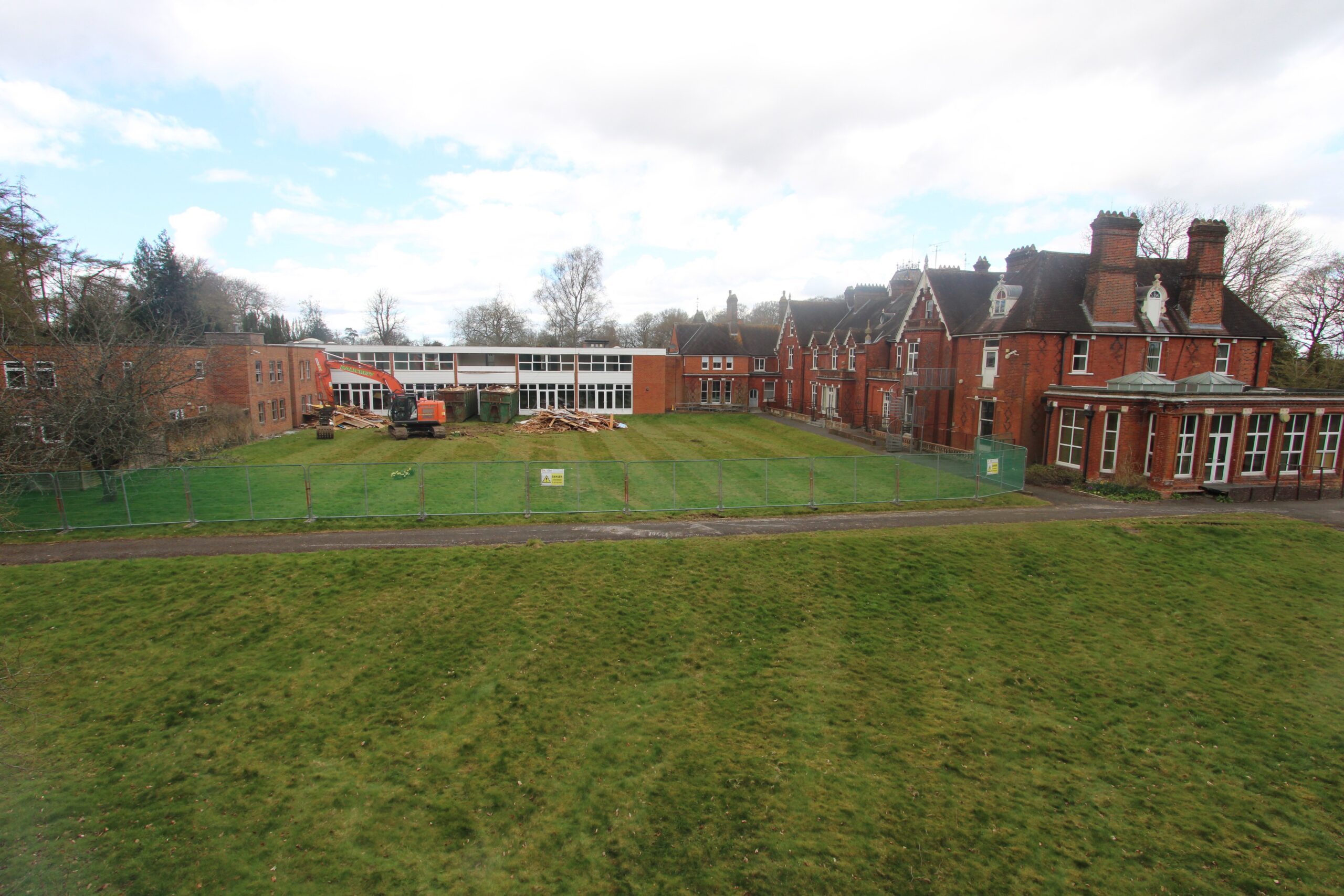
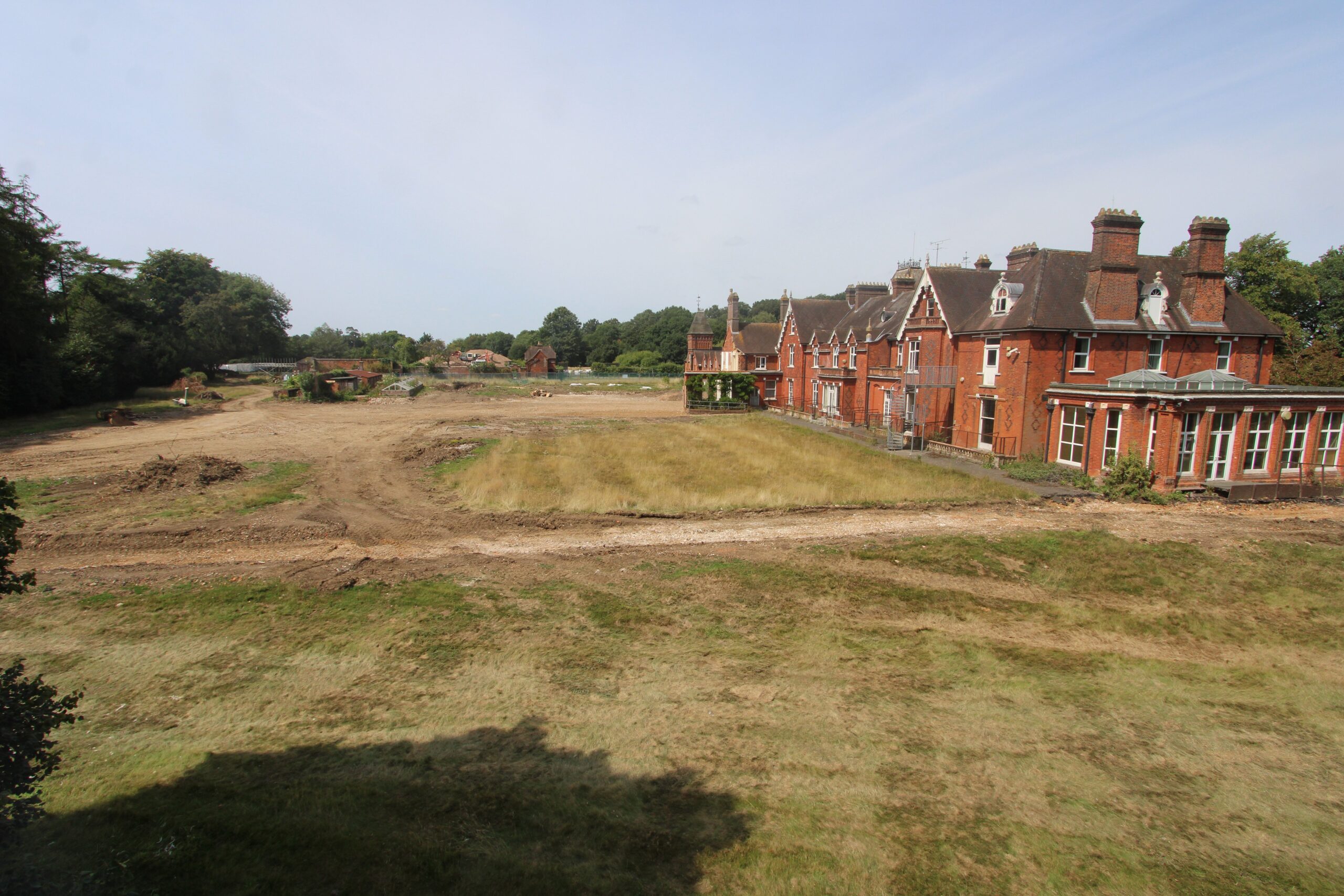
Rayners Penn occupies a 19-acre historic Victorian setting in the heart of the village of Penn, Buckinghamshire. At its core is the distinguished Grade II-listed Rayners House, accompanied by ancillary outbuildings, historic gardens, ponds, and tranquil woodlands. Originally established in the mid-19th century as a country residence, the estate later became a school for deaf children, and more recently stood vacant, its architectural heritage and landscape features in need of careful stewardship.
Since 2021, Rayners Penn has been undergoing a sensitive revival administered by Rayners Penn Ltd and project managed by Step Associates, with the ambition of returning the site’s historic buildings and grounds to their former glory as a ‘prestigious luxury destination’ that celebrates both heritage and sustainability. The masterplan envisages the restoration of Rayners House and its estate as a luxury hotel retreat, complete with a fine dining restaurant, bistro, cookery school, and a wellness spa, all integrated into the fabric of the restored Victorian estate and landscape.
Phase One – Enabling and Conservation Works
The initial phase of the project focused on critical enabling works and the meticulous removal of later, non-historic additions that compromised the integrity of the original estate. This included the controlled deconstruction of the 1960s extension to
Rayners House and the rationalisation of several ancillary structures that were of limited heritage value.
Throughout this phase, we have implemented a rigorous conservation led methodology, working closely with specialist heritage consultants, licensed ecologists, specialist contractors, and local planning authorities. Key priorities included:
- Protecting the structural and architectural integrity of all listed buildings throughout the works.
- Managing and remediating asbestos in accordance with statutory regulations and best practice.
- Safeguarding protected species, including nesting birds, and roosting bats, through carefully phased construction and ecological mitigation measures.
Outcomes Delivered to Date
Phase one has successfully established the foundation for the estate’s long-term restoration and adaptive reuse. The following outcomes have been achieved:
The removal of inappropriate later alterations has reinstated the clarity of Rayners House’s original Victorian form, allowing its architectural proportions and historic character to be properly understood and conserved for future generations.
Listed buildings across the estate have been stabilised and secured, ensuring their preservation as the project advances into subsequent phases. These works have reduced risk, improved structural resilience, and protected significant historic fabric.
Where feasible, original materials have been carefully salvaged and retained on site for reuse in later stages of the development. This approach supports both sustainability objectives and the authenticity of the restoration, maintaining a tangible connection to the estate’s heritage.
With Phase One complete, the project now moves into its next stage, delivering the detailed restoration of Rayners House and the wider estate, and realising its transformation into a distinctive luxury retreat set within rejuvenated gardens, restored water features, and enhanced woodland landscapes.
Looking ahead
The Rayners Penn Revival will continue through 2026, with further phases progressing in line with planning approvals, conservation requirements, and the overarching vision for the estate. Regular updates will be provided as construction advances and key milestones are reached.
For a comprehensive history of the estate and the project’s evolution to date, visit the Rayners Penn website: Today - Rayners Penn